What Should Stay—and What Should Change—in a Multifamily Renovation
Renovating an existing multifamily property rarely means starting with a blank slate. There is already a building, an operating community, an established identity and years of previous investment.
Some of it may still be working beautifully. Some may have simply run its course. And some may be limiting what the property can accomplish today.
At True Interiors, we believe a thoughtful renovation begins by understanding the difference.
Start With What’s Already There
Before we begin designing, we take time to understand the existing property.
We look at the architecture, layout, finishes and furnishings, but we also look at how the spaces are actually functioning. How are residents using them? How does the onsite team work within them? What feels relevant? What feels dated? Where are there opportunities for the environment to work better?
The goal isn’t to determine how much we can change.
It’s to determine where change will matter.
Not Everything Needs to Be Replaced
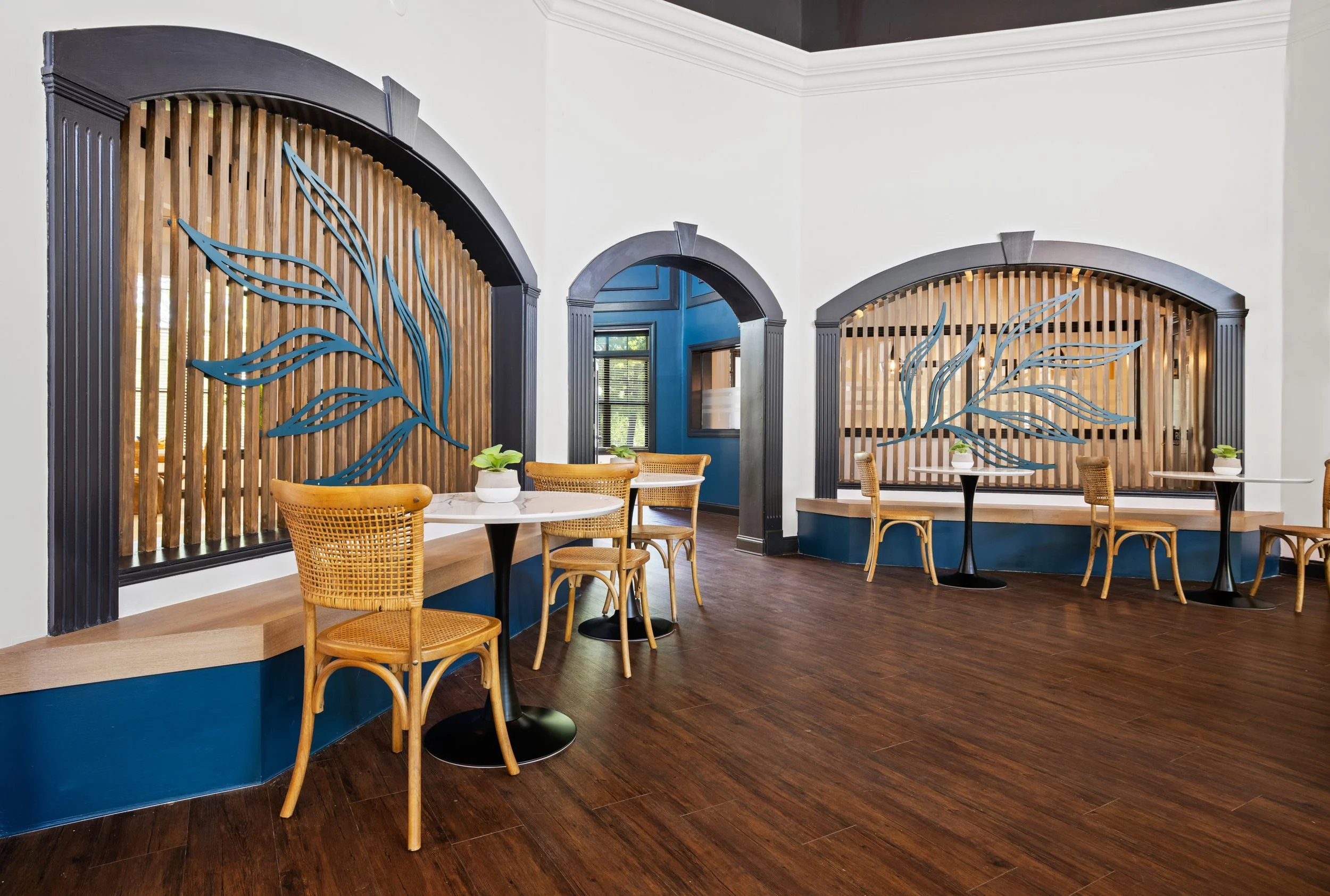
Existing elements can often become part of a new design.
An architectural feature may provide character worth preserving. A layout may function well even though the finishes surrounding it need updating. Existing furnishings may be appropriate for reuse, refinishing or relocation. Materials that remain durable and relevant may work beautifully within an entirely new design direction.
When something works—functionally, aesthetically or both—we look for ways to build around it, reinterpret it or give it new context.
The result can feel entirely new without erasing everything that came before.
And importantly, retaining existing elements isn't simply about reducing cost. Sometimes it is simply the better design decision.
Sometimes the Space Needs More Than New Finishes
The opposite is also true.
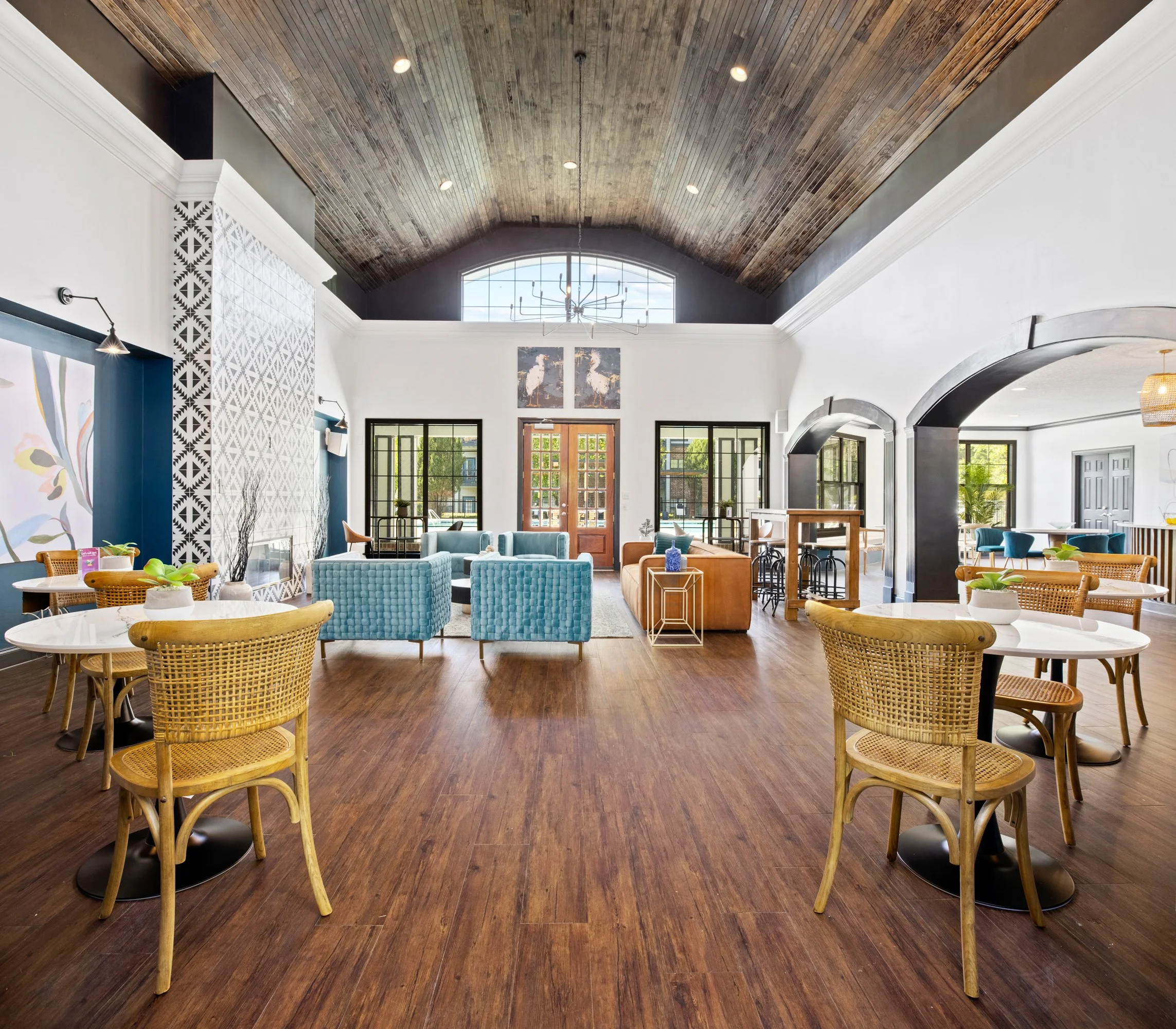
New paint, furniture, lighting and finishes can dramatically change the appearance of an environment. But they can't solve every problem.
Sometimes the real opportunity lies in how a space functions.
A leasing environment may no longer support the way the onsite team works. An amenity may have been designed around a use that is no longer relevant. Circulation may be awkward. A large room may be devoted to a single purpose when greater flexibility would make it more useful throughout the day.
In those situations, we look beyond the surface.
That may mean reconsidering the floor plan, changing the function of a space, improving connections between areas or making a more significant architectural intervention.
The Opportunity Is Knowing the Difference
Every renovation presents a series of decisions:
What stays?
What changes?
What gets reimagined?
And where is a larger intervention worthwhile?
There isn't one answer that applies to every property.
A renovation might call for a targeted furnishings and finish update. Another may benefit from rethinking how existing amenity spaces function. And another may require a more significant transformation to support the goals for the property.
Our job is to understand those goals and develop a design response appropriate to the property, its residents, its operations and the investment being made.
Existing Properties Give Us Something Valuable: Information
One of the advantages of renovating an existing community is that we aren't designing entirely in the abstract.
The property has a history.
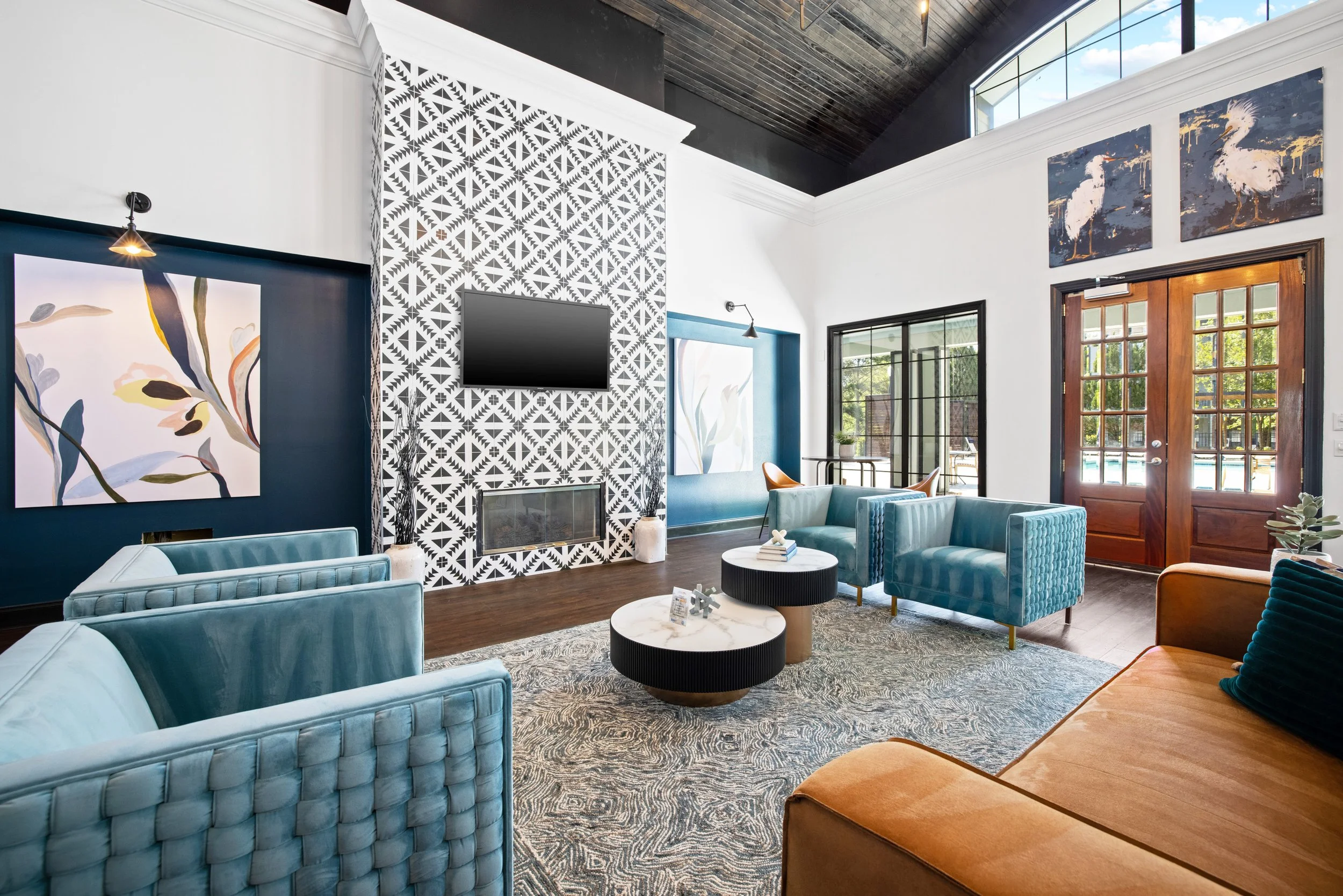
We can see how people move through it. We can understand which spaces residents gravitate toward and which they don't. Property teams can tell us where they encounter challenges. And we can identify elements that have continued to serve the community successfully over time.
All of that becomes useful design information.
Rather than approaching an existing property with a predetermined idea of what it should become, we can respond to what we learn.
Designing for What Comes Next
At True Interiors, we approach existing properties with an eye toward both possibility and practicality.
That means preserving what works. Reconsidering what doesn't. Recognizing where a relatively small intervention can make a meaningful difference—and where a larger change is warranted.
Because thoughtful renovation isn't about changing everything.
It's about making the right changes.